
Drifting from Peaks to Ports: A Gentle Way to the Adriatic

Today we journey along slow travel routes linking mountain hamlets and Adriatic harbors, following centuries-old paths where goat bells fade into the hush of tide and rigging. We linger for conversations on stone thresholds, taste harvests pressed or cured by patient hands, and choose trains, boots, bikes, and little ferries that let the landscape speak. Expect practical routes, soulful stories, and mindful practices that turn distance into connection and time into memory, inviting you to move kindly across ridgelines, karst plateaus, river valleys, and sunlit quays.

Reading the Land: From Ridge Shadows to Salt Air
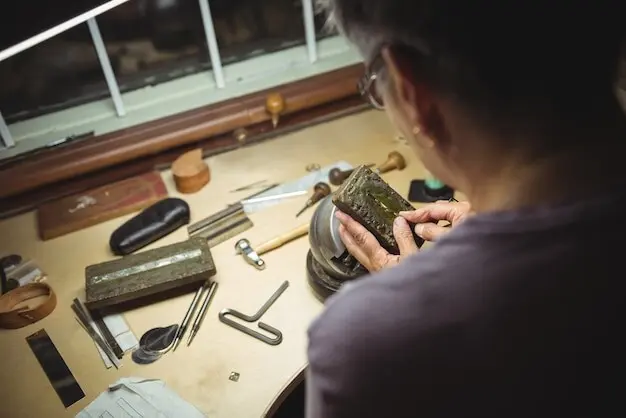
Understanding how ridges lean toward the sea makes every gentle transfer feel inevitable, like water seeking a harbor. Old trading corridors, shepherd trails, and narrow-gauge railbeds already draw the lines; we simply slow down enough to notice them. As horizons widen from spruce crowns to gull wings, patience becomes a compass: choose the next village by church bell echo, the next port by scent of resin and brine. Geography here is an invitation, reminding us that arrival is only the culmination of many attentive steps.

Where Merchants, Shepherds, and Rails Agreed
Follow revived byways where Roman road cuts, Venetian salt paths, and Habsburg-era lines overlap, proving that the easiest way remains the kindest to legs and lungs. The Parenzana’s gravel whispers between hilltop studios and a lighthouse horizon, while cobbled mule tracks hold cool shade. Reading milestones, tunnel dates, and village plaques adds context with every meter, turning maps into living conversations and each bend into an echo of endurance, barter, and daily bread carried steadily toward the waiting sea.

Passes, Plateaus, and the Karst’s Hidden Doors

Ridges yield at saddles, waters part at subtle divides, and the porous limestone of the karst collects mysteries in sinkholes and springs. Slow routes trust these natural doorways, threading forests into valley lanes and, eventually, quays lined with ropes. Look for shepherd huts near treeline, shrines at bends, and wind-shaped beeches that signal exposure. The path always teaches: accept small ascents with gratitude, use plateaus for recovery, and let broad river corridors guide the final soft descent toward boats and brackish light.

Seasons, Winds, and the Rhythm of Safe Passage

Mountain mornings can shimmer cool even when coastal alleys swelter at noon, and autumn’s gold lowers crowds while sharpening distant lighthouse flashes. The bora can nudge you inland, summer cicadas might slow midafternoon strides, and spring snowmelt fattens creeks. Build margins and listen for church schedules, market days, and ferry bells that create humane cadences. Choosing shoulder seasons, early starts, and shorter stages means savoring bread ovens, vintners’ jokes, and twilight promenades without rush, honoring both bodies and the working lives encountered along the way.

Moving Kindly: Trains, Boats, Bicycles, and Boots

Linking uplands to harbors becomes effortless when we stitch local trains to footpaths, ferries to rail-trails, and quiet roads to café stops. The point is not speed but fit: each mode complements the next, offering rest, perspective, and chance meetings. A morning climb can end beside a station kiosk with oranges and timetables; an afternoon roll may finish at a pier where gulls argue over scraps. Combined thoughtfully, these options form a humane rhythm, balancing perspiration with conversation and forward motion with contemplative views.

Local Trains and Little Ferries as Friendly Connectors

Regional trains meander at a human pace, opening doors near markets and bakeries instead of distant terminals. Timetables reward the unhurried with time to sketch cliffsides or share pastries between stops. Ferries knit harbors into a moving balcony, letting you trace coastline crenellations and catch breezes unreachable inland. Align a short hike to a station, roll bikes aboard with courtesy, and step off where cobbles shine. Getting there becomes a scene-by-scene unfolding rather than a blur, generously stitched together by gentle engineering and salt air.

Rail-Trails and Coastal Greenways That Breathe

Converted narrow-gauge lines glide through vineyards, stone arches, and murals telling village stories, giving cyclists a merciful grade and walkers a ribbon of steady shade. The famed Parenzana nudges travelers between hilltop music and sea-blink, while the Trabocchi Coast greenway in Abruzzo rides above surf, past wooden fishing platforms and lemon peels scenting the rail. These paths democratize effort, letting families, elders, and first-timers find cadence. Frequent benches, fountains, and viewpoints transform exercise into fellowship, where every rest doubles as a way to greet the horizon.

Waymarked Footpaths from Crest to Quay

Long-distance trails thread red-white blazes across spurs, meadows, and karst pockets, then nudge you toward river towns that smell faintly of anchors. Guidebooks help, but local advice over espresso is golden: ask about water, dogs, and where the track dodges stormfall. Expect a mixture of soft duff, limestone teeth, and terraced steps that massage calves and patience. The reward is granular intimacy: pine resin on fingers, plum jam traded at fences, and the relief of harbor stones warming tired soles as sails click in the dusk.

Hamlets and Harbors Through Taste and Craft

The gentlest routes are edible and handmade, knotting memories with smoke, brine, and wood shavings. Mountain tables carry ewe’s cheeses, chestnut bread, and honey that speaks of dwarf pines; coasts answer with sardines, brodetto, and green-gold oils. Winemakers pour histories in dialect, while boatyards hand you curls of fragrant cedar. Sharing plates erases borders faster than customs ever did. When you shop slowly—farm stand, bakery, quay—you distribute your gratitude in coins and conversations, helping villages stay lived-in and harbors remain workplaces instead of stage sets.

01

Pantries of the High Country

Expect shelves of aged pecorino laid down in cool caves, strings of cured pork perfumed with mountain air, and jars capturing summers of blueberries, mushrooms, or wild herbs. Truffle whispers rise from autumn baskets, and shepherds discuss weather with a meteorologist’s precision. Buy a wedge, accept a story, and tuck both into your pack. A slice shared on a stone wall between switchbacks anchors you to the slope, and the modest expense lands squarely in families who keep paths open and bells ringing.

02

Plates That Smell of Tide and Rope

At the waterline, fires sear sardines that were flashing silver at dawn, while brodetto simmers patiently, stitching species, vinegar, and garlic into comfort. Oils from terraced groves soften everything with grass and almond notes, and a glass of local white throws citrus at the breeze. Fishermen’s cafés won’t rush you; learn the names on tomorrow’s blackboard, and ask which pier whispers best at sunset. Paying fairly, staying late, and praising loudly help kitchens survive shoulder seasons and ensure next year’s tide still tastes like generosity.

03

Workshops, Markets, and Festival Days

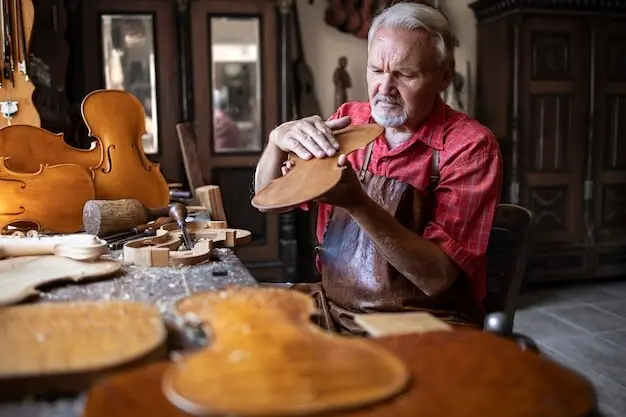
Markets bustle with eggs the color of hay, handwoven straps, and knives bright as river stones. A luthier coaxes a waltz from a hillside’s wood; a cooper shows you the ring burn on his palms. Festivals light squares with brass bands, polenta steam, olive crushes, and late jokes. Join gently: buy small, compliment sincerely, and step back for locals to dance first. Your presence, felt as warmth not weight, helps fund apprenticeships and keeps crafts more durable than souvenirs, humming through winters when tourists vanish.

Three Corridors to Spark Your Own Mapping

Istrian Uplands to a Shimmering Quay

Begin among hilltop studios where music drifts from open windows, then roll or walk the Parenzana’s gentle arc through tunnels cooled by centuries. Vineyard stone walls guide you toward sea scent, while roadside stands offer figs that stain pockets sweet. Pause in Grožnjan for a coffee that doubles as a map consultation, then descend to Poreč or a neighboring harbor with enough time for an evening swim. The inland-to-coast gradient feels like a long exhale, teaching legs patience and eyes the language of horizons.

Apennine Stone to the Trabocchi Shore

Link a high village of slate roofs and ringing bells to the Adriatic by combining shepherd paths, bus hops, and the coast’s celebrated greenway that rides an old rail alignment above surf. En route, sample mountain lentils and licorice-scented treats, then trade pine and beech shade for salted breezes and wooden fishing platforms clutching the water. Trains skim beside you, ferries wink on the horizon, and each bench offers a new cove. The final kilometers become a gallery of nets, oranges, and barefoot promises.

Karst Ridges, River Canyons, and a Dalmatian Port

Start high where limestone bites boot soles and spartan chapels mark passes. Follow waymarks down into a river valley whose water braids gardens, mills, and plum trees, then link a mellow bus stage to conserve knees. Coast-bound, quiet lanes reveal grapes hardening in heat, stone walls glowing at dusk. Arriving at a Dalmatian harbor, hear halyards tick, taste grilled fish dressed with oil and lemon, and feel mountains still present in calves and memory. The route compresses geology, dialects, and recipes into a single, generous evening.

Practicalities for a Restorative Pace

Choose breathable layers that pivot from wind-cooled ridges to sun-polished quays, a compact rain shell, trail shoes with grip for limestone, and a soft shirt you will happily wear to dinner. Add a tiny first-aid pouch, multitool, spoke key if cycling, and a headlamp for tunnels. Keep weight honest by listing every item’s job. A cloth tote welcomes tomatoes and bread without plastic, and a pencil outlives batteries when noting ferry times or cheese names. Light bags buy you spontaneity whenever a path invites joyful detours.
Download offline maps, cross-check waymarks, and keep a paper overview for the big picture. Ask café owners about washed-out bridges, guardian dogs, and fountains safe to sip. Share day plans with your host, aim for conservative daylight margins, and carry emergency contacts noted clearly. Respect closures for fire or restoration, and never shortcut terraces. Train and bus apps complement station boards, while harbor offices know wind plans better than forecasts. Real safety blossoms from conversations—your questions are investments that nearby families will feel long after you leave.
Favor family guesthouses, agriturismi, village apartments, and simple mountain huts where your payment supports caretakers who trim paths, repair roofs, and teach children crafts. Book two nights often, letting a basecamp reveal sunrise bakeries and twilight rituals you’d otherwise miss. Write warm reviews naming people and details that cannot be faked. Pay cash when preferred, ask about winter needs, and return with friends. Hospitality here is circular: as you rest, communities breathe; as communities thrive, the next traveler discovers a door that still opens with welcome.

Stewardship, Stories, and Staying Connected

Traveling slowly is a promise to leave places better in small, practical ways, then carry their voices forward with care. Your footsteps can finance footbridges, celebrate dialects, and remind ferries to keep locals first. Share what you learn generously yet precisely, protecting fragile coves and elders’ addresses. Join conversations here: ask questions, request route ideas, and gift back tips from your notebooks. Subscribe to receive fresh corridors and seasonal nuances, and help us assemble an atlas of kindness that keeps hamlets lively and harbors genuinely working.
Varonexorinovirodavopira
Privacy Overview

This website uses cookies so that we can provide you with the best user experience possible. Cookie information is stored in your browser and performs functions such as recognising you when you return to our website and helping our team to understand which sections of the website you find most interesting and useful.