Living Lightly with Alpine–Adriatic Craft

Step into a world where sustainable architecture and interior design with Alpine–Adriatic materials feel as natural as mountain air and sea breeze. We’ll explore larch and spruce from high forests, Karst and Istrian stone shaped by time, lime and clay that breathe, and wool that cocoons comfort. Expect practical insights, sensory stories, and design guidance that honors place, reduces impact, and elevates daily life with textures, colors, and details rooted in resilient landscapes and careful craft.

From Mountain Forests to Seaside Homes

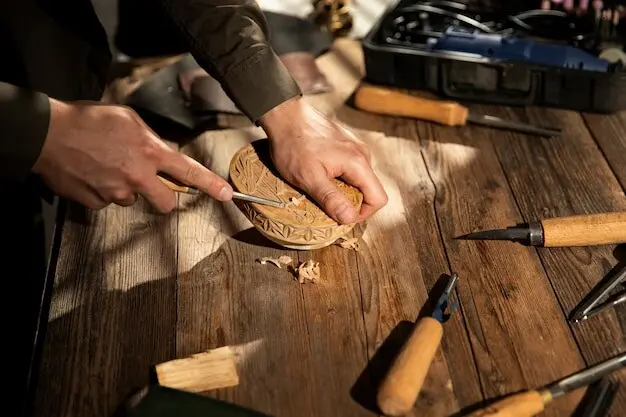
Materials from the Alpine–Adriatic corridor carry memory and meaning, linking snowy ridgelines to sunlit harbors. Thoughtfully chosen, they lighten footprints and heighten experience: larch and spruce for durable frames, chestnut and beech for welcoming surfaces, and regionally quarried stone for mass, balance, and quiet. We’ll trace responsible sourcing, seasonal work rhythms, and artisanal know-how, turning raw resources into enduring architecture and interiors that respect biodiversity, support local economies, and transform rooms into restorative, elemental sanctuaries you’ll love to share and inhabit.

Larch and Spruce, Durable Partners

High-elevation larch brings resin-rich endurance and a warm amber grain that weathers gracefully, while spruce offers straight, reliable structure that keeps frames light and strong. Select certified sources, specify precise moisture content, and honor joinery traditions that minimize fasteners and celebrate repair. Finished with plant-based oils, these timbers age with dignity, echoing forest cycles, creaking softly in winter and shimmering with summer light, nurturing interiors where clarity, resilience, and tactile calm invite slower mornings and longer evenings with friends.

Karst and Istrian Stone, Lasting Grounding

Karst limestone and Istrian stone add poised gravity underfoot and along threshold walls, their subtle fossils and salt-softened edges whispering of water, wind, and patient craft. Set with lime-rich mortars, they store daytime warmth and release it slowly, smoothing indoor swings. Choose responsibly managed quarries and cut finishes that suit function: slip-resistant honed terraces, softly bush-hammered steps, and satin interior slabs. The result is a measured quiet that steadies circulation, frames views, and anchors furniture with confidence and genuine permanence.

Chestnut and Beech for Welcoming Surfaces

Chestnut’s tannins help resist decay, making it beautiful for stair treads and window boards, while beech’s fine, even texture shines in cabinetry and chairs that ask for clean lines and honest detailing. Favor low-VOC finishes like soap, wax, and linseed oil to keep touchpoints breathable and pleasantly matte. Pair with subtle iron or brass hardware that patinates kindly, and design profiles that accept dents as stories rather than flaws, ensuring that daily life writes gentle, human marks into every corner.

Passive Strategies Rooted in Place

Sun, Overhangs, and Deep Window Reveals

Shape façades to welcome low winter sun and temper high summer rays with tuned overhangs, deciduous trellises, and exterior blinds. Deep window reveals protect frames while creating cozy places to sit, read, and watch changing light. Size glass for daylight first, not spectacle, and pair triple glazing with operable panels where breezes are reliable. Thoughtful sun control calms glare, sustains circadian rhythm, and lets materials glow naturally, turning ordinary rooms into luminous, low-energy spaces that feel composed at breakfast and generous by dusk.

Breathable Walls with Lime and Clay

Capillary-active assemblies with wood fiber insulation, lime render, and clay finish coats help moisture move and disperse, reducing risk while supporting healthy air. Clay’s hygric buffering tempers spikes from cooking, showers, and rainy days, while lime’s mineral alkalinity creates durable, quietly luminous surfaces. Avoid impermeable layers that trap humidity; detail sills and flashings with care; and test assemblies for regional weather patterns. The reward is a living envelope that feels calm to the touch and quietly stable through the year.

Natural Ventilation That Listens to Winds

Design cross-ventilation that collaborates with local breezes, using operable high and low openings to draw fresh air along cool pathways. In coastal zones, tune for evening sea air; inland, leverage night flushing and stack effect through stair cores. Size insect screens carefully, add acoustic baffles where streets are lively, and integrate shutters that guide wind without slamming. This choreography refreshes interiors, protects sleep, and reduces mechanical run-time, letting materials cool naturally and scents of wood, lime, and herbs gently circulate.

Healthy Interiors, Honest Finishes
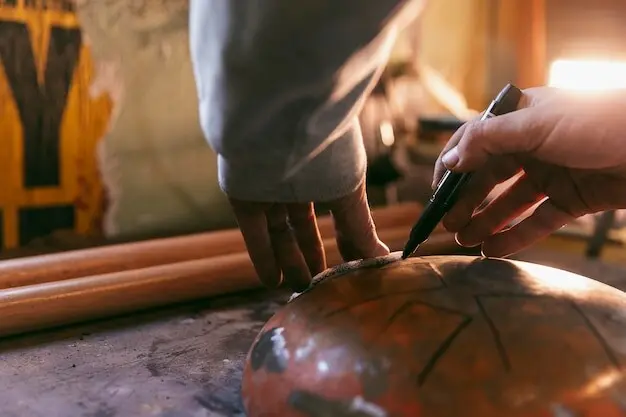
Surfaces should do more than look good; they should breathe, age gently, and support wellbeing. Limewash, clay plaster, casein paint, and plant oils invite light to play softly while keeping volatile emissions low. Pair solid timber, natural wool, and regionally crafted ceramics with minimal adhesives and mechanical joinery. The result is a sensorial ecosystem where touch is rewarded, air feels crisp, and maintenance becomes a light ritual, not a battle—interiors that respect bodies, celebrate craft, and make quiet, enduring beauty feel straightforward.

Reclaimed Timber with Verified Strength

Old larch beams carry sunburnt patina and historical tool marks that new lumber cannot fake. Before reuse, scan for hidden metal, kiln-treat if needed, and have a structural engineer grade members for their new span. Plane only what’s necessary, leaving history where hands will brush it daily. Pair with new spruce sparingly to complete spans, and document every piece’s origin. Each beam becomes narrative structure, literally and figuratively supporting rooms that respect time, reduce waste, and feel richer with every glance upward.

Stone and Lime for Reversible Masonry

Dry-laid garden walls and lime-set interior partitions embody reversible construction, allowing careful disassembly and reuse. Lime mortars carbonate slowly, knitting stone while staying repairable and vapor-open. Avoid hard cement in assemblies meant to evolve. Detail movement joints discreetly, and specify salvaged stone where edges tell of previous lives. In practice, this means walls that can be lowered, reshaped, and lifted again as families expand, studios shift, or courtyards breathe, keeping material cycles visible, dignified, and consistent with long-term stewardship.

Palette and Atmosphere Inspired by Terrain

Let mountains and sea guide mood. Think glacier whites and cloud grays beside larch honey and beech blush, grounded by Karst charcoal and flickers of Adriatic blue-green. Mix matte and subtly reflective surfaces to enliven daylight without glare. Bring herbs and evergreen sprigs to windows, and frame views with quiet textiles. Aroma, texture, color, and sound converge, shaping interiors that feel both anchoring and adventurous, encouraging deep breaths, lively conversations, and unhurried rituals that return you to the pulse of place.

Stories, Lessons, and Community

Design becomes truly local when stories are shared—how a mountain refuge found comfort with sheep’s wool and clay, how a coastal apartment cooled itself with shutters and stone, how a village workshop stitched trades together over weekend builds. These narratives carry know-how across tables and timelines. Read, question, and add your voice: your porch fix, your limewash recipe, your favorite quarry walk. Together we refine sustainable practice, celebrate makers, and cultivate places that care for us because we care for them.
Varonexorinovirodavopira
Privacy Overview

This website uses cookies so that we can provide you with the best user experience possible. Cookie information is stored in your browser and performs functions such as recognising you when you return to our website and helping our team to understand which sections of the website you find most interesting and useful.