Between Peaks and Salt: Craft Lives Again
Walk with us through stone lanes and larch-scented workshops as we explore the artisanal craft revival unfolding in Alpine-Adriatic villages. Meet patient makers, feel the rhythm of hand tools, and discover how heritage adapts to modern needs without losing its generous, human heart.

Landforms That Teach the Hands

In this rugged meeting of glaciers, karst, and coastal wind, materials and rituals accumulate meaning with every season. Artisans read the slopes like seasoned shepherds, timing harvests and firings to weather, reviving know-how that once guided families through scarcity, celebration, and everyday dignity.

Timetables Written by Snowmelt

Spring torrents decide when larch can be felled, when dyes take to wool, and when village paths reopen for markets. Makers align tasks to meltwater, drying racks, and migrating herds, rediscovering rhythms that reduce waste, preserve resources, and honor mountain patience learned over centuries.

When the Bora Cleans the Sky

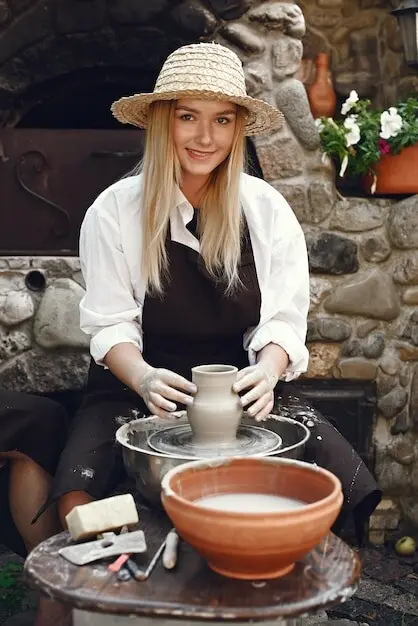
Downwind from limestone ridges, the fierce bora scours clouds and dries clay at a pace no kiln alone can match. Potters stack tiles to catch its breath, while weavers hang skeins outside, letting bracing air brighten colors and stories passed across courtyards.

Paths Between Alp and Harbour

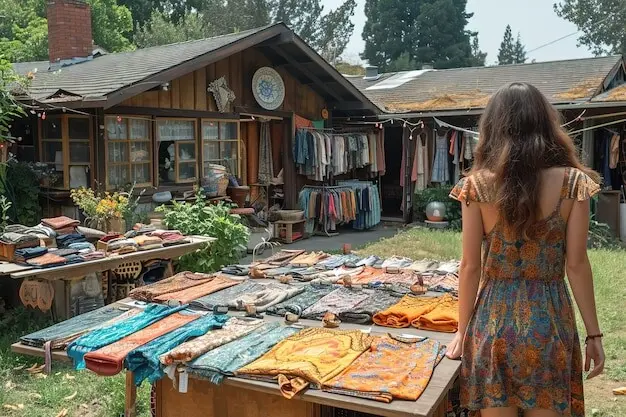
Goat tracks descend into salt-scented alleys where sailors once traded buttons for rope. Today the same routes carry craft fairs, seed exchanges, and tool repairs, allowing inland woodworkers to meet coastal metalworkers, cross-pollinating designs shaped by cliffs, orchards, boats, and wide, listening skies.

Materials Speak Many Languages
Larch, Chestnut, and Ash

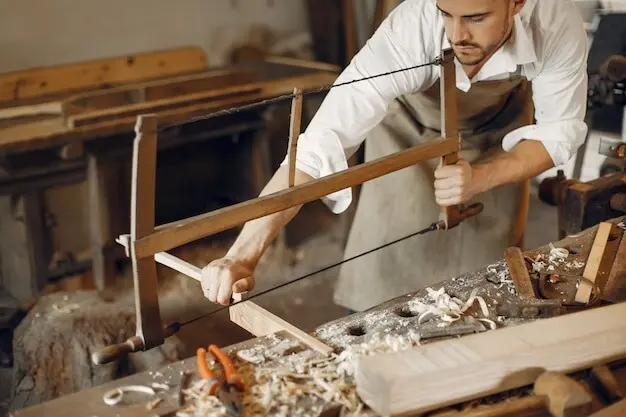
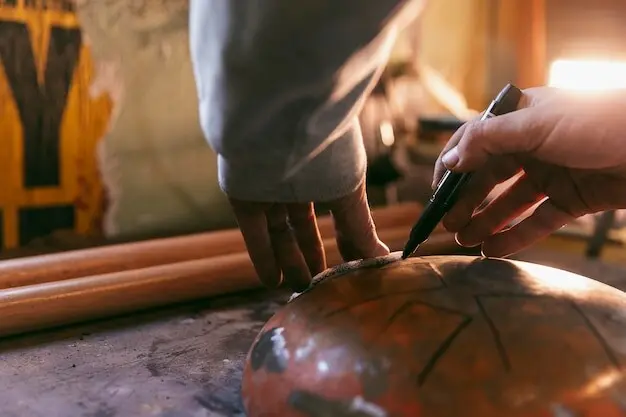
A carpenter selects larch for gutters, chestnut for barrels, and ash for tool handles, trusting grain learned by touch, not spreadsheets. Offcuts become toys and kindling, sawdust mulches gardens, and every knot tells where storms leaned hardest, guiding respectful cuts and ten generations of repairs.

Wool, Hemp, and Nettle

Shepherds once burned coarse wool as waste; now felters, dyers, and knitters transform it with plant colors coaxed from walnut hulls, onion skins, and madder. Blended with hemp and nettle fibers, it becomes breathable fabric, market totes, and playful slippers for chilly stone floors.

Stone, Iron, and Copper

Quarries gift veined blocks that masons read like novels, while smiths rescue leaf springs from scrapyards to forge knives and hinges. Coppersmiths raise pots from sheets, listening for ringing tones that reveal work-hardening, annealing, and a vessel ready to simmer plum jam without scorching.

Techniques Learning New Steps

Old motions adapt to contemporary lives, balancing heritage with experimentation. Lace-makers share patterns through video calls, carvers prototype with offcuts, and potters test glazes inspired by maritime light. These quiet innovations protect identity while inviting curious neighbors, travelers, and students into workshops humming with continuity.

Bobbin Lace, Bold Horizons

In sunlit kitchens, pillows bristle with pins as threads cross and twist to rhythms older than radio. Younger makers remix motifs with abstract peaks, eddies, and constellations, selling modest editions online so grandmothers’ finger memory funds apprenticeships, fair wages, and resilient village schedules.

Masks for Winter Courage

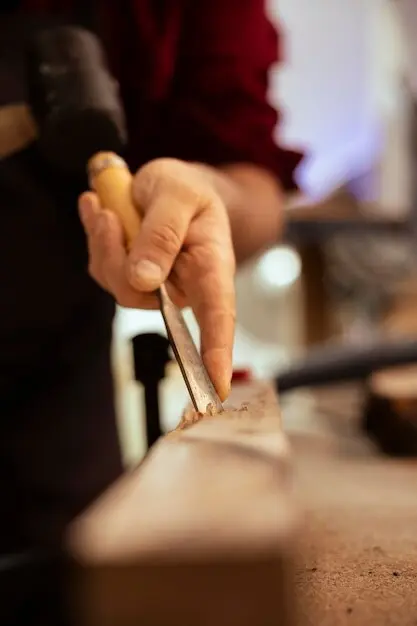
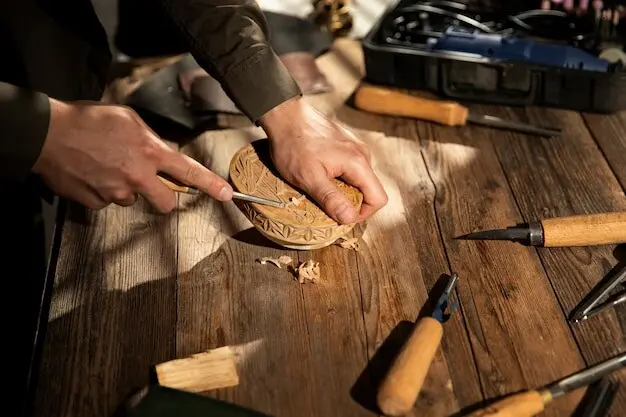
Carvers hew expressive faces from limewood, honoring midwinter parades that once chased fear and welcomed lengthening days. Today the masks appear at workshops and exhibitions, inviting respectful conversation about symbolism, identity, and craft rather than spectacle alone, with sales supporting young trainees and shared tools.

Coopers Listening to Liquid

Barrel-makers toast staves until aromas shift from raw forest to vanilla, smoke, and clove, reading color like weather. They build for mountain wine, sea-aged anchovies, and vinegar, proving traditional joints still outperform glues, especially when repaired patiently across decades of celebrations, mistakes, and harvests.

People Threading Past and Future

Revival is not nostalgia; it is community deciding what to carry forward. We hear gentle arguments at kitchen tables, watch tools pass between generations, and witness neighbors trade hours, vegetables, and workshops, nurturing livelihoods that belong to place rather than distant spreadsheets or fashion cycles.

Economies that Fit Human Hands

Healthy craft livelihoods depend on fair time, transparent pricing, and sensible scales. Small batches reduce risk, preorders stabilize seasons, and regional cooperatives share kilns, vans, and marketing. Together, these practices keep value in villages, fund repairs, and invite customers into honest relationships that outlast trends.

Your Part in the Continuity

Plan a Respectful Visit

Contact artisans beforehand, confirm hours, and ask how you can help rather than interrupt. Offer to carry wood, label jars, or sweep; buy within your means and leave reviews describing care, not hype. Your presence becomes part of a longer story of mutual learning.

Commission with Patience

Contact artisans beforehand, confirm hours, and ask how you can help rather than interrupt. Offer to carry wood, label jars, or sweep; buy within your means and leave reviews describing care, not hype. Your presence becomes part of a longer story of mutual learning.

Learn, Share, and Subscribe

Contact artisans beforehand, confirm hours, and ask how you can help rather than interrupt. Offer to carry wood, label jars, or sweep; buy within your means and leave reviews describing care, not hype. Your presence becomes part of a longer story of mutual learning.

Varonexorinovirodavopira
Privacy Overview

This website uses cookies so that we can provide you with the best user experience possible. Cookie information is stored in your browser and performs functions such as recognising you when you return to our website and helping our team to understand which sections of the website you find most interesting and useful.